
Nutrition in Childhood
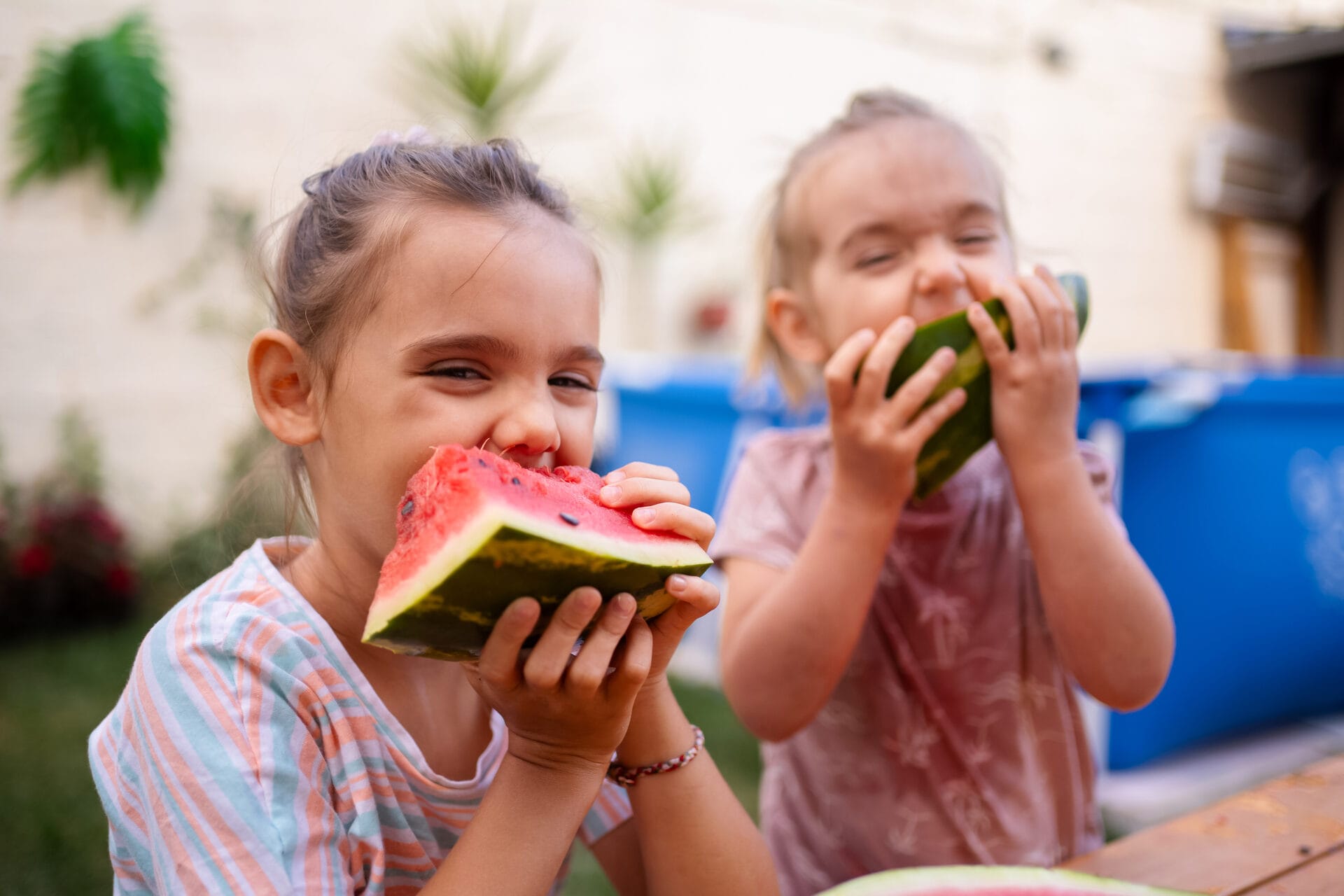
Childhood is one of the most important periods in terms of nutritional education and the adoption of healthy habits — habits that will follow the child into adulthood and will affect both their physical development and long-term health.
Despite their young age, many children already face nutritional problems, such as iron deficiency anemia, inadequate nutrient coverage, weight deviations towards one extreme or the other, and even picky eating.
Every Child's Nutritional Needs Are Different
There is no single standard that fits all children. Nutritional needs depend on:
- The age
- The growth rate
- Gender
- The level of physical activity
This is why nutritional guidance must be personalized, taking into account the characteristics and needs of each individual child.
The Role of the Parent
Nutrition education doesn't just happen at the table. The family environment, the way food is presented, the parents' attitude towards food, and the avoidance of pressure or negative associations — all of these shape a child's relationship with nutrition.
Personalized guidance is not only about what the child eats, but also how, when, and in what context.
Why It Matters Now
Proper nutritional education and meeting the individual needs of each child acts as a protective factor against chronic diseases that appear later in life — such as obesity, diabetes, and cardiovascular diseases. The foundations for the health of tomorrow's adult are being built today.
Do you need guidance?
I work with parents to create a nutritional environment that encourages healthy choices, without restrictions that create resistance.